

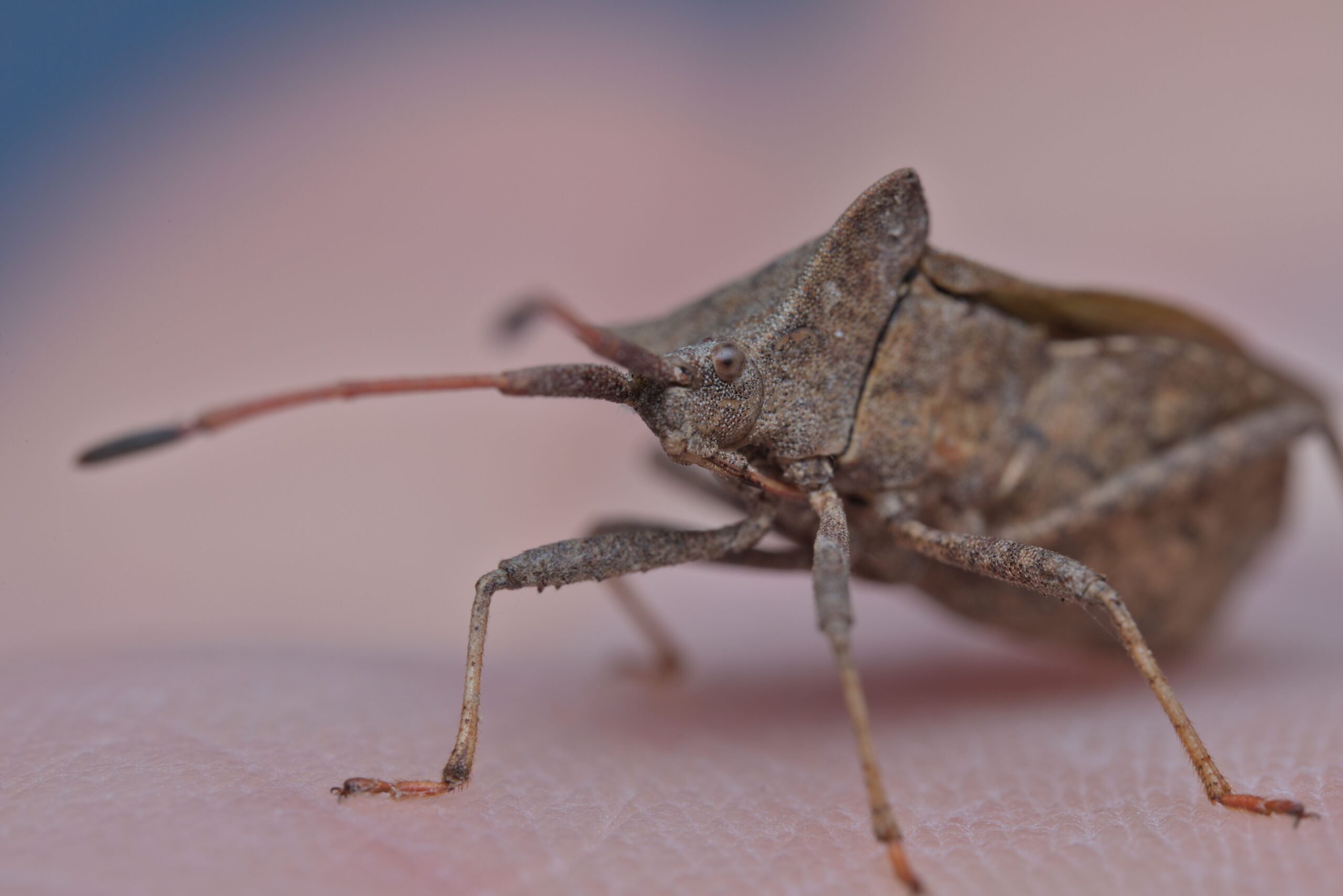
The time has almost come for summer to reach its end, and for temperatures to begin dropping. While summers in Texas feel long and hot to us, to pests, they aren’t long enough.
As soon as the heat starts subsiding, common pests’ natural instincts start kicking in. Lower temperatures mean fall and winter are on the way, and they know to start scouting out their long-term hiding spots now.
Unfortunately, your home may provide exactly what they need.
This seasonal behavior is known as overwintering, and it can lead to pests hiding in walls, attics, garages, crawl spaces, and other sheltered areas throughout the cooler months.
Understanding why pests move indoors and taking preventative steps before they arrive can help Texas homeowners avoid an unwanted fall infestation.
Here’s what you should know about fall pests in Texas and how proactive fall pest control can help keep them outside:
What Is Overwintering?
Overwintering describes how insects and other pests survive the colder months of the year. Depending on the pest, they may become less active, enter a dormant state, or simply seek out a warmer and more protected environment.
Homes can provide pests with shelter as well as access to moisture and food. Small cracks around windows, gaps beneath doors, openings around utility lines, and other entry points can make it surprisingly easy for pests to get inside.
Once they find a protected hiding place, homeowners may not immediately realize they have a problem. Some pests can remain tucked away in secluded areas until conditions change again.
That’s why fall is an important time to think about prevention.
Why Fall Pest Problems Happen in Texas
Texas is known for long stretches of warm weather, which means pests in Texas can remain active for much of the year. When temperatures finally begin to drop, pests that have been living around yards, landscaping, foundations, and outdoor structures may start moving toward more protected areas.
Your home offers plenty of potential shelter, including:
- Attics and wall voids
- Garages and storage areas
- Crawl spaces
- Cabinets and closets
- Areas around plumbing
- Cracks and gaps around foundations
- Spaces beneath or around doors and windows
The key to effective fall pest prevention is addressing these vulnerabilities before pests have the opportunity to settle in.
Common Fall Pests Texas Homeowners Should Watch For
Different pests respond to seasonal changes in different ways. However, there are several common pests homeowners may encounter as fall approaches.
Rodents
Mice and rats can become particularly troublesome when outdoor conditions change. Homes offer rodents shelter and easy access to food.
Once inside, rodents can contaminate stored food and chew on materials around the home. They can also hide in walls, attics, storage spaces, and other areas where they aren’t always easy to spot.
Watch for droppings, gnaw marks, scratching sounds, damaged food packaging, or shredded materials that could be used for nesting.
Cockroaches
Cockroaches are already a familiar problem for many Texas homeowners. When outdoor conditions become less favorable, some may find their way indoors in search of food, moisture, and shelter.
Kitchens, bathrooms, cabinets, crawl spaces, and other dark or damp areas can provide ideal hiding places.
Reducing moisture, cleaning up food and crumbs, and sealing possible entry points can make your home less inviting.
Spiders
Seeing more spiders around the house during the fall can sometimes indicate another pest problem. Spiders go where their food is, so a home with plenty of insect activity can become an attractive hunting ground.
Garages, closets, attics, storage boxes, and other quiet spaces provide convenient places for spiders to hide.
Keeping these areas clean and reducing other insects around your property can help discourage spider activity.
Ants
Some ants may move inside when changing weather affects their outdoor nesting or food sources. Once they find reliable access to food, water, or shelter, an occasional ant sighting can turn into a consistent problem.
Keeping food sealed, cleaning spills and crumbs, controlling moisture, and addressing cracks around the home can help reduce ant activity.
Crickets
Texas provides the warm conditions crickets thrive in, and these pests can become especially annoying around homes when large numbers gather near exterior lights, garages, patios, and foundations.
Once inside, their chirping can quickly become frustrating. Crickets may also damage fabrics, paper, carpets, and upholstery.
Reducing outdoor lighting near entrances, addressing moisture, and sealing gaps around doors and foundations can help keep them outside.
How Do Fall Pests Get Inside?
Pests don’t need an open front door to invade your home. Many can take advantage of surprisingly small openings.
Common entry points include:
- Cracks in foundations
- Gaps around windows and doors
- Damaged weather stripping
- Openings around pipes and utility lines
- Gaps around garage doors
- Unscreened vents
- Damaged window or door screens
Rodents may also exploit vulnerable areas around the roofline or exterior of the home.
Inspecting these areas before temperatures cool can help stop an overwintering problem before it begins.
How to Prepare Your Home for Fall Pest Season
A little prevention now can make a big difference later. As we all start preparing for fall’s arrival, homeowners can take several steps to make their properties less attractive to pests.
Seal Potential Entry Points
Inspect the exterior of your home for cracks, holes, and gaps. Pay particular attention to the foundation, windows, doors, vents, and areas where pipes or wires enter the house.
Repair damaged screens and weather stripping when necessary.
Reduce Moisture
Many pests are attracted to damp environments. Repair leaking pipes and faucets, address drainage problems, and avoid allowing standing water to collect around the property.
Pay particular attention to kitchens, bathrooms, laundry rooms, crawl spaces, and areas near the foundation.
Keep Food Properly Stored
Store pantry items in sealed containers and clean crumbs and spills promptly. Pet food should also be stored securely when possible.
Garbage cans should remain covered and be emptied regularly.
Clean Up the Yard
Leaves, mulch, wood piles, and other organic debris can provide pests with convenient shelter close to your house.
Keep landscaping maintained, remove unnecessary debris, and avoid allowing vegetation to create easy pathways directly to the structure.
Check Storage Areas
Garages, attics, and storage rooms tend to stay relatively undisturbed, which can make them great hiding places.
Keep these spaces organized and periodically inspect boxes and stored belongings for signs of pest activity.
Why Fall Pest Control Matters Before Winter
Waiting until you see pests inside can mean they’ve already found a suitable place to hide.
Preventive fall pest control focuses on identifying pest activity, potential entry points, and conditions around the property that could encourage an infestation. Addressing those issues early can make it more difficult for overwintering pests to establish themselves inside your home.
Professional inspections can also help uncover signs homeowners might overlook, especially in secluded areas where pests tend to hide.
Don’t Give Fall Pests a Place to Spend the Winter
Cooler weather may be a welcome change after a hot Texas summer, but you don’t want to share your home with pests looking for their own seasonal retreat.
By understanding overwintering, watching for common pests, sealing potential entry points, and addressing food and moisture sources, you can make your home much less inviting to unwanted visitors.
If you’re ready to prepare your home before cooler weather arrives, Alamo Pest Control can help. Our experienced team understands the seasonal habits of pests in Texas and can identify the conditions that may put your home at risk.
Schedule your fall pest control service with Alamo Pest Control today and help keep fall pests outside where they belong.