

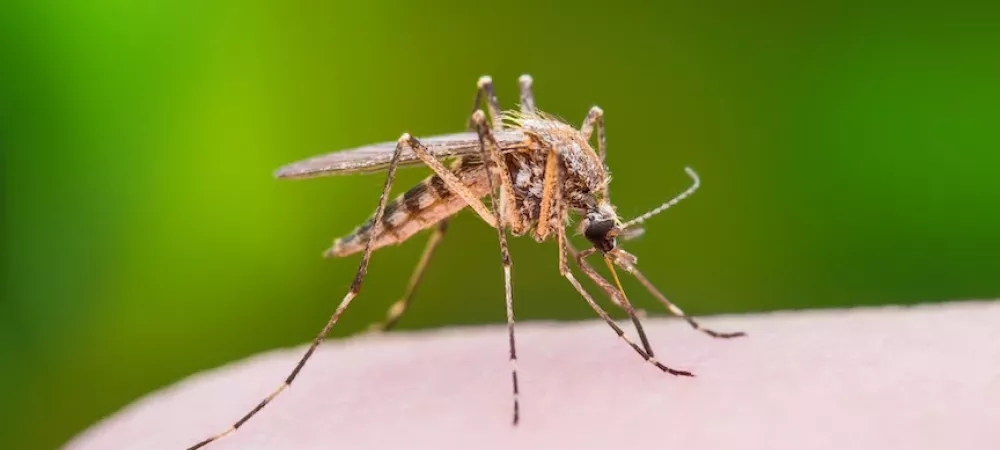
As the sun sets over the vibrant city of Fort Worth, a familiar hum begins to permeate the warm Texas air, signaling the arrival of an age-old nemesis – mosquitoes. These tiny but formidable insects have long been a persistent challenge for residents, disrupting outdoor activities and posing potential health risks. Fort Worth, like many urban centers, faces the constant battle against mosquito-borne diseases and the annoyance of itchy bites.
In this article, we delve into the world of mosquito control methods tailored specifically for Fort Worth. From traditional approaches to cutting-edge technologies, understanding and implementing effective strategies are crucial for minimizing the mosquito population and safeguarding public health. Join us as we explore the diverse arsenal of techniques available to residents and authorities alike, shedding light on how Fort Worth can stand resilient against the persistent threat of mosquitoes.
The Importance of Mosquito Control
Mosquito control is crucial in preventing the spread of mosquito-borne illnesses and reducing human health risks. Mosquito infestations can lead to the transmission of diseases such as Zika virus, dengue fever, chikungunya, and West Nile virus, posing a serious threat to public health. These diseases can cause symptoms ranging from mild to severe, and in some cases, they can be fatal.
To reduce the risk of exposure to mosquito-borne illnesses, various preventative measures can be implemented around the home, including eliminating standing water where mosquitoes breed, using mosquito repellents, and installing screens on windows and doors. Additionally, tailored pest control services can be utilized to effectively address mosquito infestations, both for residential and commercial customers. These services provide targeted solutions specific to each customer’s needs, ensuring a comprehensive approach to mosquito control.
Understanding the Mosquito Life Cycle
Mosquitoes are infamous for being carriers of dangerous diseases such as malaria, dengue fever, and Zika virus. Understanding the mosquito life cycle is crucial in controlling their population and preventing the spread of these diseases. By learning about the different stages of a mosquito’s life, from egg to adult, we gain insight into their habits, breeding grounds, and vulnerabilities. This knowledge can help us implement effective strategies for mosquito control and minimize the risk of disease transmission. Let’s take a closer look at the four stages in the mosquito life cycle and understand how each stage contributes to the overall population and potential health risks.
Mosquito lifecycle stages
The mosquito life cycle consists of four stages: egg, larva, pupa, and adult. The female mosquito lays her eggs on the surface of standing water, which can hatch in as little as 24-48 hours. The eggs can survive without water for several months until they are submerged.
The larval stage follows, where the larvae live in water and breathe air through a tube on their abdomen. They feed on microorganisms and organic matter present in the water. This stage lasts for about 5-14 days, depending on the species and environmental conditions.
After the larval stage, the mosquito enters the pupal stage, during which it does not feed and remains at the water’s surface. The pupal stage lasts for about 2-4 days, and then the adult mosquito emerges from the pupal case.
The adult mosquito is the reproductive and dispersal stage of the life cycle, and this stage can last for several weeks to several months, depending on the species. The adult mosquito seeks out a blood meal and mates to continue the cycle. Each stage in the mosquito life cycle is essential for the continuation of the species and can vary in duration based on environmental factors and species characteristics.
Identifying breeding grounds for mosquitoes
Mosquitoes commonly breed in standing water, such as rain barrels, gutters, bird baths, and old tires. Additionally, dense vegetation and overgrown grass provide ideal breeding grounds for mosquitoes. In Texas, warm temperatures and high humidity from April to October create the perfect conditions for mosquito breeding, leading to a surge in their population during these months.
In urban areas, the most common types of mosquitoes are the Aedes aegypti and Aedes albopictus, which are known for transmitting diseases such as Zika, dengue fever, and chikungunya. These mosquitoes are often found in containers that hold water, like flower pots, buckets, and clogged drains. They also thrive in urban environments due to the availability of standing water in neglected pools, abandoned buildings, and construction sites.
Understanding and identifying the breeding grounds for mosquitoes is crucial in controlling their population and reducing the risk of diseases transmitted by these pests. By eliminating standing water and maintaining vegetation, individuals can help to reduce the mosquito population in their area and lessen the risk of potential disease transmission.
Mosquito Control Techniques
Mosquitoes are not only annoying pests but can also pose serious health risks by spreading diseases such as West Nile virus, Zika, and dengue fever. It is important to effectively control their population to reduce the risk of illness and discomfort. Several techniques can be utilized to control mosquito populations, ranging from natural methods to chemical treatments. Implementing these techniques can help to keep mosquito populations at bay and protect the health and well-being of individuals in affected areas.
Mosquito Traps
Mosquito traps come in various types, with In2Care and electric traps being the most common. The In2Care trap uses a combination of water, a fungus, and a mosquito-killing substance to attract and eliminate mosquitoes. The electric trap works by luring mosquitoes with UV light and then trapping them with an electric grid.
The benefits of In2Care include its effectiveness in targeting Aedes mosquitoes, which carry diseases such as dengue and Zika. However, it requires regular maintenance and may be less effective in areas with high mosquito populations. Electric traps, on the other hand, are low-maintenance and can cover a larger area, but they may also kill beneficial insects and impact the environment.
Barrier Sprays
Barrier sprays are an effective solution for addressing mosquito infestations in your yard. When applying barrier sprays, it is important to cover all areas where mosquitoes tend to breed and hide, such as around bushes, trees, and other foliage. This treatment should also be applied along the perimeter of your yard, focusing on areas where mosquitoes are most likely to enter.
Unlike traditional mosquito sprays, barrier sprays create a protective barrier that lasts for several weeks, effectively controlling and repelling mosquitoes. This makes them more effective at keeping your yard mosquito-free for an extended period of time compared to traditional sprays, which may only provide temporary relief.
The role of professional mosquito control cannot be overstated in the relentless battle against mosquito-borne diseases and the nuisance of mosquito infestations. While individual efforts at home are crucial, the expertise and resources offered by professional Fort Worth mosquito control services provide an indispensable layer of defense. By investing in tailored mosquito control solutions, both residential and commercial sectors can effectively mitigate the risks posed by these relentless pests, safeguarding public health.