

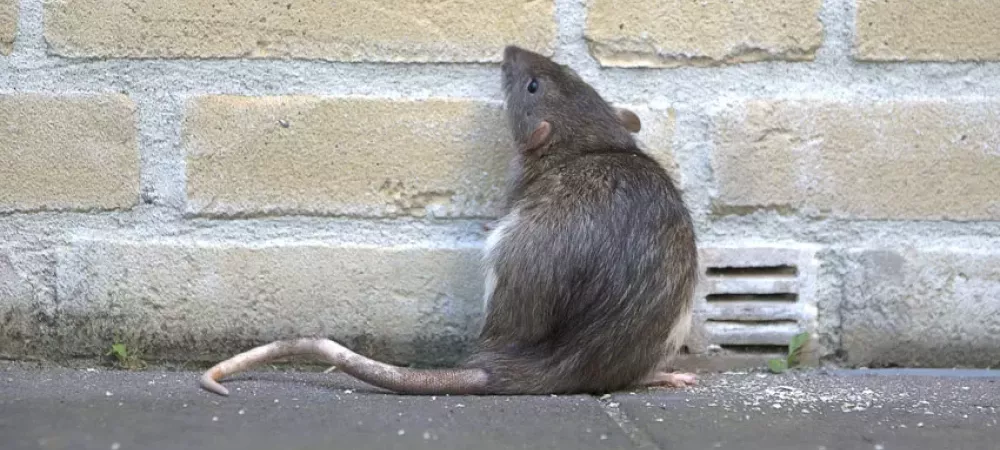
What Are Norway Rats?
Norway rats (Rattus norvegicus), also known as brown rats, sewer rats, or common rats, are a species of rodents that are found worldwide. These rats are highly adaptable and have successfully established themselves in various environments, from urban areas to agricultural settings.
Here are some key characteristics and features of Norway rats:
Appearance: Norway rats are medium to large-sized rodents with a robust and stocky build. They typically have brown or gray fur on their upper bodies, with a lighter underbelly. Their tails are scaly and shorter than their bodies, and their ears are relatively small compared to their head size.
Size: Adult Norway rats can reach lengths of 7 to 9 inches, with their tails adding an additional 6 to 8 inches. They generally weigh between 7 and 18 ounces.
Habitat: Norway rats are highly adaptable and can be found in a variety of habitats, including sewers, farms, warehouses, homes, and urban areas. They often create burrows in the ground, but they can also take up residence in attics, walls, and basements.
Diet: These rodents are opportunistic omnivores, meaning they consume a wide range of foods. Their diet includes grains, seeds, fruits, vegetables, insects, and even small vertebrates. This versatility contributes to their ability to thrive in diverse environments.
Behavior: Norway rats are primarily nocturnal, meaning they are most active during the night. They have excellent burrowing and climbing abilities, and their strong incisors allow them to gnaw through a variety of materials, including wood, plastic, and even metal.
Are Norway Rats Dangerous?
Yes, Norway rats can pose various dangers to both human health and property. Here are some of the risks associated with Norway rat infestations:
Disease Transmission
- Direct Transmission: Norway rats can transmit diseases to humans through bites or scratches. While they may not be aggressive towards humans, attempting to handle a rat can result in bites or scratches, potentially leading to infections.
- Indirect Transmission: Rats are carriers of various pathogens that can cause diseases. They can contaminate surfaces, food, and water with their droppings, urine, and saliva, contributing to the spread of diseases such as leptospirosis, hantavirus, salmonellosis, and rat-bite fever.
Property Damage
- Gnawing: Norway rats have powerful incisors that grow continuously. To keep them trimmed, rats gnaw on various materials, including wood, plastic, and wiring. This can lead to structural damage and pose a fire hazard if they chew on electrical wires.
- Nesting Materials: Rats use materials like shredded paper, fabric, and insulation for nesting, potentially causing damage to these materials within homes.
Contamination
- Food Contamination: Norway rats are known to infest food storage areas, contaminating food with their droppings, urine, and hair. This contamination can lead to foodborne illnesses if consumed by humans.
- Allergens: Rat droppings and urine can release allergens into the air, which may trigger respiratory issues, especially in individuals with pre-existing allergies or asthma.
Reproduction and Population Growth
- Rapid Reproduction: Norway rats are prolific breeders. A single pair of rats can produce several litters in a year, with each litter containing six to twelve pups. The gestation period is around 21 to 23 days, and the young rats mature quickly, reaching sexual maturity at about three to four months. Even a small rat population can quickly become a significant problem, making control and eradication more challenging.
Structural Damage
- Burrowing: Norway rats are skilled burrowers, and their burrows can cause damage to foundations and structures. This behavior can compromise the stability of buildings and other infrastructure.
Signs of Norway Rat Infestation
Identifying the signs of a Norway rat infestation is crucial for early intervention. Here are common signs that may indicate the presence of Norway rats:
- Droppings: Norway rat droppings are capsule-shaped and approximately 3/4 inch long. Finding these near food storage or along rat pathways is a clear indicator.
- Urine Odor: The presence of a strong, musty urine odor may indicate a significant rat infestation.
- Grease Marks: Rats often travel along the same pathways repeatedly, leaving grease or dirt marks along walls or baseboards.
- Gnaw Marks: Rats have strong incisors that grow continuously. Gnaw marks on wood, plastic, or other materials suggest rat activity.
- Scratching Noises: Norway rats are nocturnal, and you may hear scratching or scurrying sounds in the walls, ceilings, or floors during the night.
- Nesting Materials: Rats use materials like shredded paper, fabric, or insulation for nesting. Discovering these materials in hidden corners or attics may indicate a rat nest.
- Burrows: Rats create burrows for nesting and shelter. Look for burrow openings in outdoor areas, such as gardens or near building foundations.
- Unusual Pet Behavior: Dogs or cats may exhibit unusual behavior, such as increased alertness or attempts to access specific areas, when rats are present.
- Visual Sightings: Observing live rats, especially during daylight hours, is a clear sign of an infestation.
If you notice any of these signs, it’s important to take immediate action to address the rat infestation, as they can pose health risks and cause damage to property. Implementing preventive measures and using appropriate traps or rodenticides can help control and eliminate Norway rat populations.
How to Get Rid of Norway Rats
Getting rid of Norway rats involves a combination of preventive measures, identification of entry points, and strategic pest control methods. Here’s a step-by-step guide on how to effectively eliminate Norway rat infestations:
Identify and Seal Entry Points
- Conduct a thorough inspection of your home to identify and seal potential entry points. Rats can squeeze through small openings, so focus on gaps around doors, windows, vents, and utility pipes.
- Use materials like steel wool, caulk, or metal flashing to seal cracks and holes. Ensure that doors and windows close tightly.
Remove Food Sources
- Rats are attracted to easily accessible food. Store food in sealed containers, clean up crumbs promptly, and secure garbage bins to eliminate potential food sources.
- Remove pet food dishes at night and clean up spills promptly.
Use Traps
- Set up traps in areas with high rat activity. Common types of traps include snap traps, live traps, and electronic traps. Bait traps with peanut butter, dried fruit, or nuts for effective results.
- Check traps regularly and dispose of captured rats promptly.
Consider Rodenticides
- If the infestation is severe, consider using rodenticides. However, exercise caution, especially in homes with children or pets.
- Follow all safety guidelines and place baits in areas inaccessible to children and pets.
Maintain Cleanliness
- Regularly clean and declutter your home to remove potential hiding spots for rats.
- Trim overgrown vegetation and keep a tidy yard to reduce hiding places around your property.
Professional Pest Control Services
- For persistent or severe infestations, consider hiring professional pest control services. Experienced technicians can assess the extent of the infestation, implement targeted treatments, and provide advice on preventing future occurrences. Many install bait stations around your home as well.
Monitor and Prevent Reinfestation
- After successfully eliminating the rat infestation, monitor your home for signs of reinfestation.
- Implement ongoing preventive measures, such as maintaining a clean environment, sealing entry points, and using traps as needed.
Call Alamo Pest Control
Given these potential dangers, it’s crucial to address Norway rat infestations promptly. If you are looking for the best same-day rodent control in DFW, contact our team of local pest experts here at Alamo. Backed by over 30 years of experience, our rodent exterminators offer one-time treatments or recurring visits to keep your home free of rats and mice. Contact our team today to learn more!
FAQ About Norway Rats
Do Norway Rats Transmit Diseases?
Yes, Norway rats can transmit diseases to humans. Direct transmission occurs through bites or scratches, while indirect transmission can occur through contact with their droppings, urine, or saliva. Diseases associated with Norway rats include leptospirosis, hantavirus, and salmonellosis.
What Do Norway Rat Nests Look Like?
Norway rat nests are constructed with shredded materials like paper, fabric, and insulation. They are typically found in hidden locations such as wall voids, attics, basements, or ground burrows. The nests are loosely woven, spherical or cylindrical in shape, and strategically placed for warmth and protection. These nests are often found in hidden, sheltered locations such as wall voids, attics, basements, or outdoor burrows.
What Makes the Best Bait for Norway Rats?
Effective baits for Norway rats include peanut butter, dried fruit, nuts, or commercially available rat baits. Rats are attracted to a variety of foods, so experimenting with different baits can help determine what works best in a specific situation.
Do Norway Rats Bite?
Yes, Norway rats are capable of biting if they feel threatened. While they are not typically aggressive towards humans, attempts to handle rats can result in bites or scratches. Rat bites can transmit diseases, and immediate medical attention is important if bitten.
What to Do If Bitten by a Norway Rat?
If bitten by a Norway rat, follow these steps:
- Clean the Wound: Immediately clean the wound with soap and water to reduce the risk of infection.
- Apply Antiseptic: Apply an antiseptic ointment to the wound to further prevent infection.
- Seek Medical Attention: Seek prompt medical attention, especially if the bite is deep, the rat appears sick or acts unusually, or if you haven’t had a tetanus shot in the last five years.
- Follow Medical Advice: Follow any medical advice given by healthcare professionals. This may include receiving a tetanus shot, antibiotic treatment, or other measures to prevent potential infections.
- Monitor for Symptoms: Keep a close eye on the wound for any signs of infection, such as redness, swelling, or increased pain. If any symptoms develop, seek medical attention promptly.
- Report the Bite: Report the rat bite to local health authorities if required. This can help in tracking and managing potential disease transmission.
Remember that rat bites can transmit diseases, and seeking timely medical attention is crucial for proper wound care and infection prevention.
What Is the Smallest Hole a Norway Rat Fits Through?
Norway rats can squeeze through openings as small as half an inch in diameter. It is crucial to seal all gaps, cracks, and holes in your home, paying attention to areas around doors, windows, vents, and utility pipes.
What Attracts Norway Rats to Your House?
Norway rats are attracted to certain conditions and resources in and around homes. Understanding these factors can help in preventing rat infestations. Here are common attractants for Norway rats:
- Accessible Food Sources: Open garbage bins, spilled food, and easily accessible pet food can attract rats. Ensure that garbage is stored in sealed containers, clean up spills promptly, and secure pet food in airtight containers.
- Water Availability: Rats need water for survival. Leaky faucets, standing water, or pet water bowls left outside can attract rats. Fix any water leaks promptly and ensure that outdoor water sources are minimized.
- Clutter and Hiding Places: Piles of clutter, overgrown vegetation, and unmanaged outdoor storage provide hiding places for rats. Keep yards tidy, trim vegetation, and declutter indoor and outdoor spaces.
- Structural Entry Points: Gaps, cracks, and holes in the building structure serve as entry points for rats. Inspect your home for potential entryways and seal them with materials like steel wool, caulk, or metal flashing.
- Warmth and Shelter: Rats seek shelter in warm and secure locations. Seal potential nesting sites such as attics, crawl spaces, and wall voids. Regularly inspect these areas for signs of rat activity.
- Unsealed Food Containers: Leaving food items in unsealed containers can attract rats. Store food in airtight containers to minimize odors that might attract these rodents.
- Dark and Undisturbed Areas: Rats prefer dark and undisturbed places. Regularly inspect and clean less frequently used areas, such as basements and attics.
- Availability of Nesting Materials: Rats use materials like shredded paper, fabric, and insulation for nesting. Minimize the availability of such materials in and around your home.
By addressing these attractants, homeowners can reduce the likelihood of Norway rat infestations. Implementing preventive measures and maintaining a clean and well-managed living environment are essential in deterring rats from taking residence in and around your house.