

While many people associate pest problems with the summer heat, Texas pests don’t take a break during the colder months. Thanks to the warm and humid climate across much of the Lone Star State, pests in Texas can remain active year-round, especially when they find their way inside your warm home.
For Texas homeowners, winter is a critical time to take preventative measures to avoid infestations that can damage property, cause health concerns, and persist long after the season ends.
Let’s take a closer look at the most common types of winter pests in Texas, the dangers they pose, and how a professional pest control company can help you maintain a pest-free home this season.
1. Rodents: The Most Unwelcome Guests
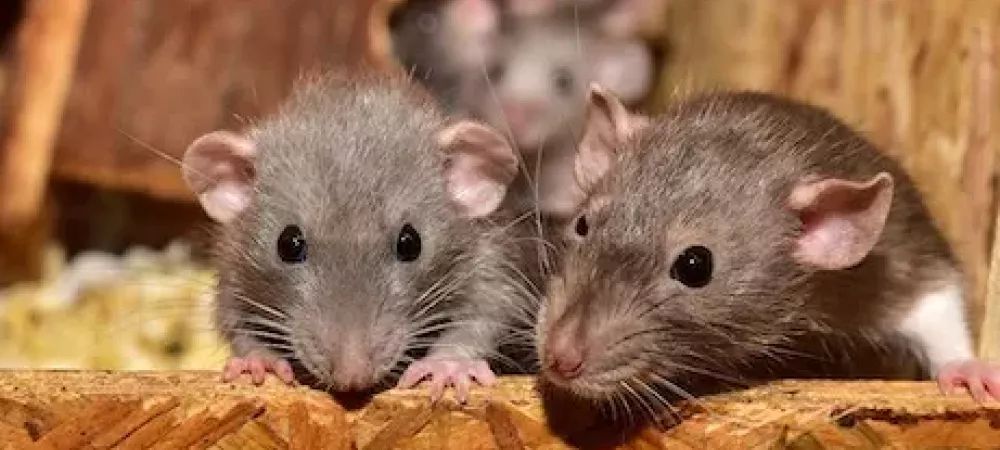
Texas rodents like the Norway rat and house mice are notorious for invading homes in winter. As temperatures drop, these pests seek shelter in wooden structures, secluded areas, and even inside walls and attics.
Why they’re dangerous:
- Rodents can transmit diseases like rat bite fever
- They may chew through wiring, insulation, and food sources
- Their droppings can trigger asthma symptoms and other respiratory issues
Preventative Tip: Seal entry points around your home’s foundation, window moldings, and utility lines. Store food in airtight containers and check for gnaw marks near potential entry points.
2. Cockroaches: Texas’s Year-Round Problem
Several cockroach species remain active even during winter, especially indoors. Texas cockroaches like the American cockroach, German cockroach, and Oriental cockroach are commonly found in kitchens, bathrooms, and crawl spaces where warmth and food are present.
Why they’re dangerous:
- Cockroaches carry parasites and bacteria that can lead to dangerous diseases
- Their droppings and skin can trigger allergies
- They reproduce quickly if left untreated
Preventative Tip: Repair leaks near sink areas, reduce clutter, and seal cracks in baseboards and cabinets.
3. Ants: Small Size, Big Infestation Risk
While many ant species slow down in colder weather, some like fire ants, odorous house ants, crazy ants, and even carpenter ants can remain active indoors, especially in South Texas and areas with mild winters.
Why they’re dangerous:
- Fire ants and crazy ants can deliver painful bites and damage electrical systems
- Carpenter ants burrow into wood, weakening wooden structures
- Odorous house ants contaminate food and emit a foul smell when crushed
Preventative Tip: Eliminating standing water, trimming tree limbs, and keeping mulch away from the home’s foundation helps reduce easy access points.
4. Mosquitoes and Biting Insects
Though mosquito activity drops in winter, some species like Aedes albopictus (also known as the Asian tiger mosquito) can survive in warmer pockets of Texas, especially in humid climates and protected areas.
Why they’re dangerous:
- Can transmit West Nile virus and Zika virus
- Leave itchy bites and may carry parasites
Preventative Tip: Remove standing water from bird baths, gutters, and planters. Use mosquito repellent when outdoors during warmer days.
5. Spiders: Still Creeping Around
Common spiders like brown recluse and black widow prefer secluded areas indoors, such as garages, attics, and closets, during winter.
Why they’re dangerous:
- Brown recluse spiders can cause serious skin reactions with their painful sting
- Black widows pose a serious threat, especially to children and pets
Preventative Tip: Regularly clean and vacuum corners, closets, and other areas where spiders may hide. Inspect brush piles and boxes brought inside.
6. Bed Bugs and Indoor Pests
Bed bugs, fruit flies, fungus gnats, and other indoor pests don’t slow down during winter. Bed bugs survive on human blood and spread quickly in shared spaces, hotels, and homes.
Why they’re dangerous:
- Bed bugs cause itchy bites, sleep disruption, and infest bedding, furniture, and walls
- Fruit flies and fungus gnats can become a nuisance in kitchens and indoor plants
Preventative Tip: Wash bedding regularly, check travel bags after trips, and avoid bringing used furniture indoors without inspection.
Winter Pest Control Tips for Texas Residents
- Seal entry points: Use caulk or foam to block small cracks in your home’s foundation.
- Eliminate food sources: Store items in airtight containers and clean up spills quickly.
- Control moisture: Fix leaks, ventilate damp areas, and monitor humidity in basements.
- Schedule seasonal inspections: Work with a professional pest control company to identify early signs of infestation and implement long-term solutions.
Don’t Let Pests Make Themselves at Home
Winter may bring cooler weather, but it doesn’t mean a break from pests. From cockroaches and rodents to ants, spiders, and biting insects, Texas pests are a year-round issue. The best way to ensure a pest-free home during winter is by being proactive.
If you’re a Texas homeowner looking to get rid of persistent pests this season, Alamo Pest Control is here to help. With expert knowledge of pests in Texas and proven treatments tailored to the humid climate, we’ll protect your home and family all year long.